Siting a cold plunge, from deck boards to breakers
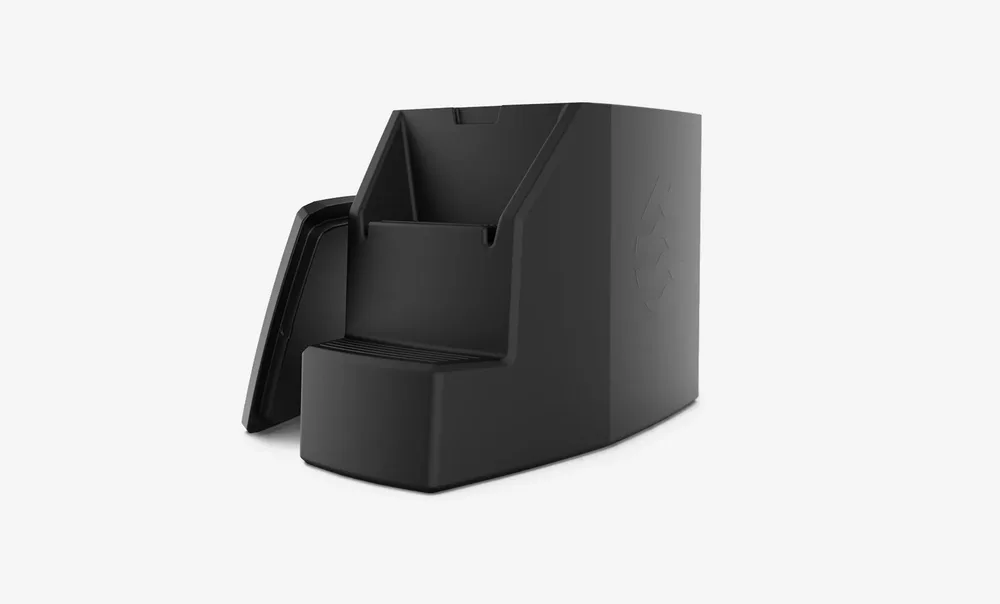
Cold plunge marketing sells the water temperature. The spot you put the tub decides almost everything else: whether your deck sags, whether draining it floods a flowerbed, whether the chiller trips a breaker, and whether a compressor hums through the bedroom wall at 6 a.m. Placement is the least glamorous decision in the whole purchase and the hardest one to undo once 700 pounds of water is sitting in position. Here is how to choose a site like someone who has drained a tub uphill before.
Filled weight comes first
Empty weights deceive. An 85-gallon inflatable pod weighs under 8 pounds in its carry bag and roughly 700 pounds once filled. Rigid barrels run heavier still: an Ice Barrel 300 comes in around 700 pounds full, and the larger Ice Barrel 500 sits near 900 pounds. That load concentrates on a footprint about the size of a doormat, which is why manufacturers point buyers toward concrete slabs and reinforced decks.
Ground-level concrete, pavers on a compacted base, or a garage floor handle any of these tubs without a second thought. Raised wood decks are the gray zone. A typical residential deck is designed around distributed loads, not a half-ton point load, so get the framing checked or reinforce the area under the tub before filling. Upper-floor indoor placements deserve the same scrutiny, plus a hard think about what sits below the tub if a seam ever lets go.
Plan the drain before the fill
Every tub eventually empties, and more often than most buyers expect. Water-care guides suggest changing unfiltered water every 3 to 5 days, stretching to 2 to 4 weeks with a basic filter, and 1 to 3 months with a chiller running filtration and sanitizer. Cloudy water, odor, or a slimy feel means an immediate change regardless of the calendar.
That schedule turns drainage into a recurring chore, so make it an easy one. Most tubs empty through an included hose or a tap near the base, The Cold Pod ships a drain hose and Ice Barrel uses a drain spout assembly, and both rely on gravity. Pick a spot with a slight slope away from the house and a destination for 85 to 110 gallons: a lawn, a gravel bed, or a floor drain. A tub sited downhill from everything it could drain toward becomes a bucket brigade.
What a chiller needs from your panel
Good news for anyone scarred by hot tub installation quotes: most residential cold plunge chillers run on ordinary 110/120V household power, drawing roughly 8 to 10 amps. Installation guides recommend a 15 to 20 amp circuit, and any outlet in a garage or outdoors should be GFCI protected. Water and electricity share this hobby, so treat the GFCI part as non-negotiable even where code might let you slide.
Budget for the running cost, not just the outlet. A 1/3 HP chiller draws around 825 watts and uses 3 to 5 kilowatt-hours a day under moderate conditions, which lands most owners in the $10 to $30 per month range for daily use, with bigger chillers and hot months running higher. Shaded or indoor placement trims that bill, since the compressor fights the sun less.
Sun, shade, and covers
For ice-cooled tubs, shade is the cheapest performance upgrade available. One long-term IcePod Pro owner reported 30 pounds of ice lasting about 24 hours in 100-degree direct sun but roughly three days once temperatures dropped below 50 degrees. The tub never changed; the conditions did, and a shaded corner captures part of that difference year-round.
Materials matter for anything living outside. Look for UV-resistant construction, the IcePod Pro uses a UV-resistant nylon shell and the Ice Barrel 500 ships with a UV- and water-resistant cover, and then use the cover every single time. A fitted lid does double duty, keeping leaves and insects out while holding the temperature you paid for in ice or electricity.
Noise, neighbors, and the bedroom wall
Powered chillers make noise the way a window air conditioner does, mostly compressor vibration and airflow. The hum is modest, but a modest hum running overnight against a bedroom wall or a shared fence generates complaints. Keep the chiller side of the setup away from sleeping areas, set it on a pad that damps vibration, and leave clearance for airflow instead of boxing it into a tight corner.
A short siting checklist
Run any candidate spot through five questions. Can the surface carry 700 to 900 pounds on a small footprint? Is there a downhill path for a full drain every few days or weeks? Could a GFCI-protected outlet reach the tub if a chiller joins later? Does the spot offer shade, or at least room to keep a cover on? And will any compressor noise land somewhere nobody sleeps?
A location that clears all five makes the tub feel easy to own for years, and it usually costs nothing beyond an afternoon of planning. One last note that applies wherever the water ends up: ease into cold plunging rather than chasing extreme temperatures on day one, keep sessions short, and anyone with a heart condition should talk to their doctor before starting a routine.
Questions, answered once
Can I put a cold plunge on a second-floor deck or balcony?
Only after a load check. Filled tubs weigh roughly 700 to 900 pounds on a small footprint, which is more point load than most raised structures are designed to carry. A ground-level slab or a reinforced deck is the safe default.
Do cold plunge chillers need special wiring?
Usually not. Most residential chillers run on standard 110/120V outlets drawing about 8 to 10 amps. Use a 15 to 20 amp circuit, and make sure any garage or outdoor outlet is GFCI protected.
Where should the water go when I drain the tub?
Downhill, through the included hose or tap. Plan a path for 85 to 110 gallons to reach a lawn, gravel bed, or floor drain, and expect to drain anywhere from every few days to every few months depending on your filtration setup.
Does putting a cold plunge in the shade really matter?
Yes, especially for ice-cooled tubs. One owner reported ice lasting about a day in hot direct sun versus roughly three days in sub-50-degree weather. Shade also reduces how hard a chiller works, which lowers the electric bill.