Ice bags or a chiller? The true cost of staying cold
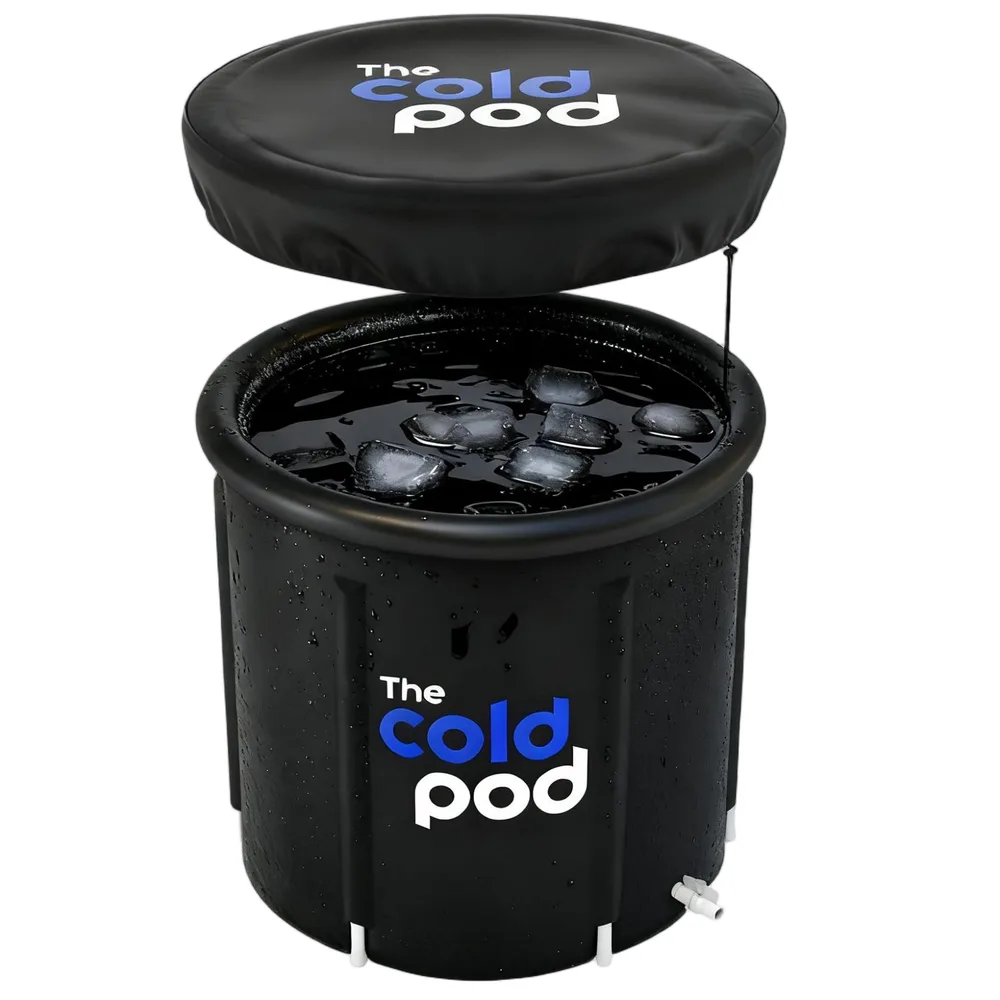
The tub is the cheap part of owning a cold plunge. The recurring bill is cooling, and you have exactly two ways to pay it: haul bags of ice to an insulated tub, or plug in a water chiller and let a compressor handle it. Which one costs less depends on your climate, your electricity rate, and how often you actually get in the water. The math below comes from published wattage figures and owner-reported ice consumption, so you can run it against your own zip code and habits.
What ice really costs
Ice has no sticker shock, just a treadmill. Owner reports put real consumption in perspective: IcePod Pro owners running ice-only report a 30-pound load lasting about 24 hours in 100-degree direct sun, but stretching to roughly three days once ambient temperatures drop below 50 degrees. Same tub, same ice, a threefold difference driven entirely by weather.
That spread is the whole story of unpowered plunging. In a cold climate, the outdoors does most of the work and ice is a garnish. In a hot one, daily plunging can mean a 30-pound ice run most days of the summer, and whatever your grocery store charges per bag, multiplied across five to seven runs a week, the cheap option starts to compound.
Insulation is the lever that bends this curve. Testers measured the Ice Barrel 500, with its R16 foam walls and lid on, holding water temperature within about 3 degrees over 24 hours in 85-degree ambient heat. A fabric-layer pod depends on its cover and on shade; a heavily insulated barrel keeps yesterday’s cold for you. If you commit to the ice route, insulation quality is the spec to pay for, because every degree the tub holds overnight is ice you don’t buy.
What a chiller draws
A chiller converts the ice errand into a line on your electric bill. Published figures by size:
| Chiller size | Typical draw | Moderate conditions |
|---|---|---|
| 1/3 HP | ~825 W | 3-5 kWh per day |
| 1/2 HP | ~1,400 W | 5-7 kWh per day |
| 1 HP | ~2,605 W | 7-10 kWh per day |
In dollars, most home chillers land around $10 to $30 per month in electricity with daily use. Larger or premium units in hot months can run $40 to $80. That range is honest because conditions matter: a baking garage in August works the compressor far harder than a shaded porch in October.
Performance scales with the draw. Common 1/3 HP consumer chillers hold water around 37 to 42 degrees, and in one reviewer’s testing, a 1/3 HP unit pulled an Ice Barrel 500 down to 39 degrees overnight. At the top end, the 1 HP system sold with the Explore X1 cools to just below freezing, far enough to form sheet ice on the surface, and can instead heat the same water to 42 degrees Celsius in three to four hours. A machine like that replaces ice purchases entirely.
Electrical needs are modest. Chillers run on standard 110/120-volt household outlets drawing roughly 8 to 10 amps, though installation guides call for GFCI protection on outdoor and garage outlets. Most setups need no electrician, but check that outlet before delivery day.
The line item nobody budgets: water
Your cooling method also decides how often you drain and refill. With no filtration at all, guidance runs to a full water change every three to five days. Add a basic filter and you stretch to every two to four weeks. Pair a chiller with filtration and sanitation and the same water lasts one to three months. Any setup gets an immediate change the moment the water turns cloudy or smells off.
This is the underrated argument for chillers. An 85-to-116-gallon tub swapped twice a week means hundreds of gallons a month plus the refill time; the same tub on a chiller-and-filter loop might see a handful of refills a year.
Running the numbers for your situation
Cold climate, casual use: ice wins and it isn’t close. Ambient air below 50 degrees turns a well-covered, well-insulated tub into a nearly free cold source, with ice as an occasional top-up.
Hot climate, daily use: the chiller’s $10 to $30 a month starts looking like the bargain. Daily 30-pound ice runs through summer heat cost more in money and errands than a compressor sipping 3 to 5 kWh a day, and the chiller holds temperature while you sleep instead of melting toward lukewarm.
The in-between cases hinge on consistency. Three mornings a week from fall through spring favors ice in an insulated tub. Water in the high 30s waiting every single day of the year favors the compressor, and the monthly cost difference shrinks the more you plunge.
One purchase-order tip: if a chiller is even a maybe, buy a tub with ports now. Ice Barrel builds 3/4-inch NPT chiller ports into its barrels so any third-party unit can join the loop later, and some budget pods now ship chiller-compatible drain valves. A sealed tub with neither means replacing the tub, not just adding the machine.
Whichever path you pick, the standing note applies: start with water on the warm side, keep sessions short, and anyone with a heart condition should talk to their doctor before making cold water part of the week.
Questions, answered once
How much does it cost to run a cold plunge chiller?
Most home chillers add about $10 to $30 per month to an electric bill with daily use, while larger or premium units in hot months can run $40 to $80. A 1/3 HP unit draws around 825 watts and uses 3 to 5 kWh per day under moderate conditions.
How long does ice last in an insulated tub?
Owners report a 30-pound load lasting about a day in 100-degree direct sun and around three days when ambient temperatures fall below 50 degrees. Insulation and a lid stretch it further; testers saw the Ice Barrel 500 hold water within about 3 degrees over 24 hours in 85-degree heat.
Do chillers need special wiring?
No. They run on standard 110/120-volt household outlets and draw roughly 8 to 10 amps. Installation guides do call for GFCI-protected outlets outdoors or in a garage.
Can I add a chiller to a tub later?
Only if the tub has ports. Ice Barrel builds 3/4-inch NPT chiller ports into its barrels, and some budget pods ship chiller-compatible drain valves. A tub without either means buying a new tub when you upgrade.